When buying a mattress for your baby’s cot or crib, you have a variety of options to take into account. Baby mattresses must be chosen carefully because newborns sleep for an average of 18 hours every day.
A cold foam mattress is sometimes included in the pricing of some cots and Moses baskets as standard equipment. Cold foam mattresses are completely secure and give your infant a good sleeping surface. They could be created from synthetic foam or natural latex foam. Both of these choices contain no chemicals known to be hazardous to your kid and have undergone thorough testing to meet British requirements. The majority of foam mattresses feature a washable, waterproof cover that is frequently not detachable. To enhance airflow, some mattresses have breathable covers and perforations at one end or throughout the mattress. The mattresses come in a variety of thicknesses; typically, a free mattress will be about 7 cm thick and require regular replacement. Mattresses made with thicker (10 cm) foam will last longer.
Considering that your baby will spend the most of his time sleeping or resting in the cot or crib for the first few months of life, you might want to upgrade from this entry-level mattress. Alternatives include sprung mattresses, which often have a harder resting surface and are deeper and more supporting than foam mattresses. These mattresses often include pockets of springs sandwiched between layers of fabric or synthetic latex foam, and they frequently have a detachable, machine-washable fabric cover. Additional advantages could come from waterproof coatings, antibacterial treatments, or dust mite barrier layers.
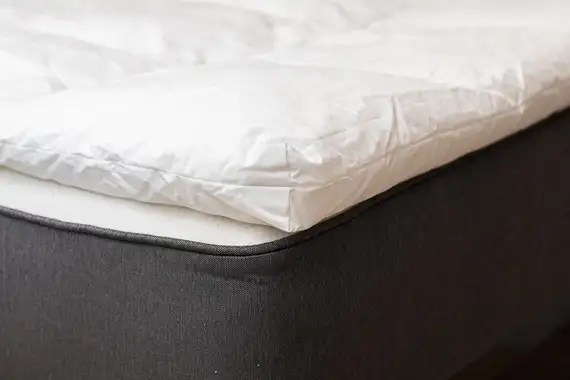
Some spring mattresses have natural fibers, typically cotton or wool blends, and increasingly even bamboo, used for its long-lasting, eco-friendly qualities. A pocket-spring mattress, which contains individual micro springs tucked away in pockets all over the mattress to provide good, even support, is the greatest type of spring mattress. If you want to make the mattress last longer, you might choose to use a waterproof mattress protector. It is normally possible to wash this second, optional layer at high temperatures, which helps prevent bacterial growth and infection. Under the sheet, mattress toppers can be utilized for enhanced comfort. These quilted or cushioned layers should be machine-washable at high temperatures, which will eliminate the need to frequently wash the mattress cover. It is advised to use some sort of mattress covering as replacing the mattress itself would be necessary if it became very dirty or urine-soaked.
For all sizes of crib, cot, and cot-bed, mattresses made entirely of organic materials utilizing only natural fibers are available. These mattresses are made of materials including natural latex, wool, organic cotton, and organic coir (coconut fiber). The covers ought to be detachable and heat-washable. Depending on the design, standard springs or layers of coir fiber that provide support and bounce may be used. These mattresses typically cost more than sprung mattresses but give your kid a chemical-free environment. Verify that all of the components are chemical-free and organically produced.
 Mattress Topper Guide